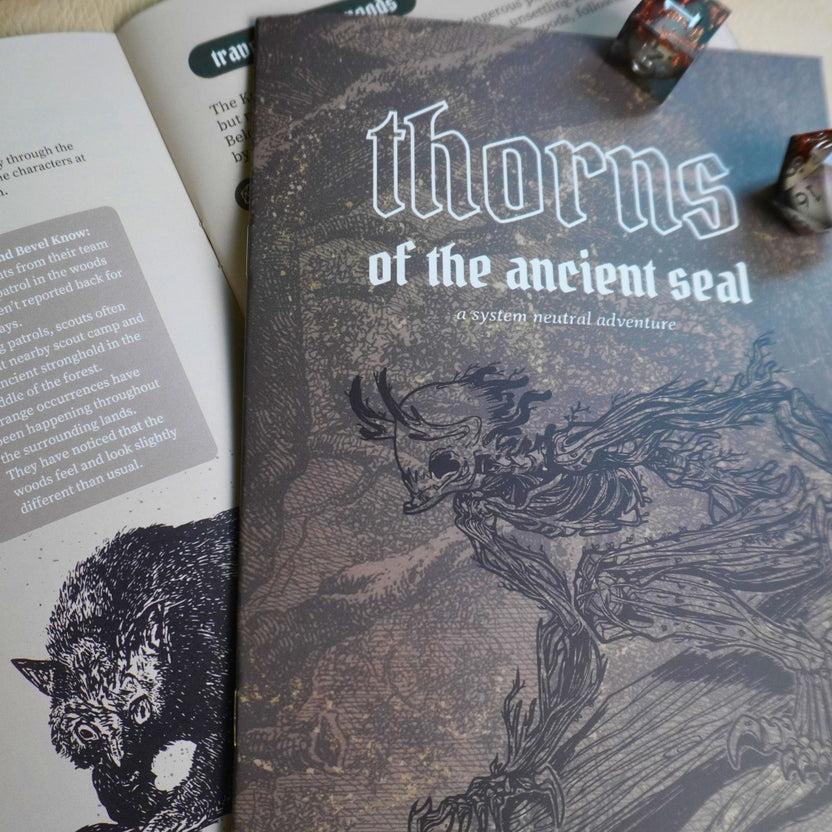
Free D&D 5e Tools
& Generators
Build encounters, generate loot, create backstories, and more. Used by DMs and players every session.
Free 5e Tools
Every generator runs in your browser, works instantly, and requires no sign-up. Use them mid-session or during prep — they are built for the moment you need them.

Backstory Generator
Create compelling character backgrounds with personality and goals
Players and DMs · 30 sec
Loot Generator
Generate treasure, magic items, and rewards for your adventures
Dungeon Masters · 15 sec
Shop Generator
Create detailed shops with inventory and merchant NPCs
Dungeon Masters · 20 sec
Deck of Many Things
Draw from the legendary magical deck with instant results
Chaos enjoyers · Instant
Dice Roller
Roll 3D animated dice with advantage, custom notation, nat 20 detection, and duality dice
Players and DMs · Instant
Name Generator
Generate character names for elves, tieflings, dwarves, humans, and more
Players and DMs · 10 sec
Fantasy City Name Generator
Generate fantasy city names, town names, and settlement names
Worldbuilders · 10 sec
Encounter Calculator
Build balanced D&D 5e encounters with XP budgets and monster suggestions
Dungeon Masters · Instant
Point Buy Calculator
Build 5e ability scores with the 27-point budget, live modifiers, and 2024/2014 bonuses
Players · Instant
Initiative Tracker
Run 5e combat turn order with rounds, HP tracking, and SRD condition markers
Dungeon Masters · Instant
Daggerheart Character Creator
Roll a complete Daggerheart character: ancestry, class, subclass, domains, Experiences
Daggerheart players · Instant
Daggerheart Loot Generator
Roll random Daggerheart loot: consumables, items, weapons, and armor from the SRD
Daggerheart GMs · Instant
Daggerheart Fear Tracker
Track the GM Fear pool, budget it by scene, and roll SRD-grounded GM moves
Daggerheart GMs · Instant
Daggerheart Encounter Builder
Budget Battle Points and build balanced fights from all 264 SRD 2.0 adversaries
Daggerheart GMs · InstantJoin Our Free Patreon
Get exclusive generators, weekly story hooks, early access to new tools, and behind-the-scenes content — all on our free tier. No credit card needed.
Join Patreon — It’s FreeFree PDF + Newsletter
Subscribe and get a free PDF of Fantasy & Fable: Wondrous Hooks — 12 system-agnostic adventure hooks with NPCs, monsters, and loot lists.
Level Up Your Table
Our three most popular products — each one pairs naturally with the free generators above.

Record of Adventure 5e Player Campaign Journal for Dungeons and Dragons (D&D)
The player journal for tracking backstory, quests, NPCs, and session notes in one place.

Combat Tracker Initiative Notepad 5e Compatible
A physical tear-off notepad that keeps initiative order, HP, AC, and conditions visible every fight.

Lore Keeper D&D 5e Campaign Planner for Notion
The all-in-one Notion template for D&D 5e DMs. Linked databases for NPCs, locations, loot, and worldbuilding.
Official D&D 5e Tools List
If you landed here looking for the official 5e tools list from the Player's Handbook, here is a quick reference. These are the tool proficiencies your character can learn — not the digital generators above. For a complete searchable database of every tool, spell, and item, dndtools 5e (the dndtools.org community wiki) and DnDBeyond both cover the reference side in depth.
Thieves' Tools
Locks, traps, infiltration. 25 gp. Usually paired with Dexterity.
Artisan's Tools
Smith's, tinker's, carpenter's, mason's, weaver's and more (full list below).
Gaming Sets
Dice, dragonchess, playing cards, Three-Dragon Ante.
Musical Instruments
Lute, flute, drum, lyre, viol — 10 instruments total in the PHB.
Navigator's Tools
Charts, compass, route planning for travel-heavy campaigns. 25 gp.
Herbalism Kit
Identify plants, brew potions, create antitoxins. 5 gp.
Disguise Kit
Create visual disguises to alter appearance. 25 gp.
Forgery Kit
Duplicate documents, seals, and handwriting. 15 gp.
Poisoner's Kit
Handle, apply, and identify poisons safely. 50 gp.
Complete Artisan's Tools List (5e PHB)
Artisan's tools is the broadest category in 5e — 17 distinct proficiencies, each tied to a craft. The cost is 5–25 gp depending on the kit. Each artisan's tool requires its own proficiency; one proficiency does not cover the others.
Get the full DM cheat sheet
Drop your email and we'll send the Fantasy & Fable Vol. 1 PDF — 12 ready-to-run quest hooks with NPCs, monsters, and loot tables — plus a SUBSCRIBER10 code for your first Minva order. New tools land in the inbox every couple of weeks.
How Tool Proficiency Works in 5e
1. The tool must fit the task. A DM decides when a tool proficiency applies — thieves' tools for a lock, smith's tools for repairing armor, herbalism kit for identifying a plant.
2. The DM picks the ability score. Thieves' tools usually pair with Dexterity, but artisan's tools might use Strength, Intelligence, or Wisdom depending on the job.
3. Add proficiency if you know the tool. If your character has the proficiency, add your proficiency bonus to the ability check. Track your proficiencies in a campaign journal so you do not have to re-check your sheet every time.
5e Tools FAQ
What are the best free D&D 5e tools?▼
The ones you'll actually use at the table. For most DMs, that's an encounter calculator for XP budgets, a loot generator for filling treasure chests on the fly, and a backstory generator when a player shows up with a blank character. Minva has seven free generators — all browser-based, no account needed.
How do I build a balanced D&D 5e encounter?▼
Look up the XP thresholds for your players' level, add up the monster XP, then apply the encounter multiplier for how many monsters are in the fight. It sounds more complicated than it is. Minva's encounter calculator does the math automatically — just set party size, level, and target difficulty.
What is included in the official D&D 5e tools list?▼
The Player's Handbook groups tool proficiencies into a few categories: artisan's tools (smith's tools, carpenter's tools, tinker's tools, and about a dozen others), gaming sets, musical instruments, and specialty kits like thieves' tools, disguise kit, herbalism kit, and navigator's tools.
How do tool proficiencies work in 5e?▼
When your character uses a tool, the DM decides if proficiency applies and which ability score to pair it with. Add your proficiency bonus if you know that tool. Thieves' tools usually pair with Dexterity; artisan's tools might use Strength, Intelligence, or Wisdom depending on the job.
What are thieves' tools in 5e?▼
Thieves' tools are the picks, files, mirrors, and scissors rogues use to pick locks and disarm traps. They cost 25 gp in the 2014 rules and require proficiency to use. Most tables pair them with a Dexterity check, with the DC based on how tough the lock or trap is.
What are artisan's tools in 5e?▼
Any craft-based proficiency for making or repairing physical things — smith's tools, tinker's tools, carpenter's tools, mason's tools, weaver's tools, brewer's supplies, and more. The exact ability score varies: smith's tools might use Strength or Intelligence, weaver's tools might lean Dexterity.
What's the best D&D campaign journal for players?▼
Record of Adventure is our best-seller for a reason. It's a physical spiral-bound journal that tracks backstory, session notes, NPC relationships, quests, and inventory — all in one place, laid out for actual table use rather than just looking nice on a shelf.
Is there a good Notion template for D&D 5e DMs?▼
Lorekeeper is built specifically for 5e Dungeon Masters. It has linked databases for NPCs, locations, adventures, and loot — so when you create an NPC, they automatically connect to the town they're in and the quest they're tied to. Works with a free Notion account.
Is Minva the same as 5e.tools?▼
No — 5e.tools is a rules-reference site (great for looking up spells and monsters quickly). Minva is focused on the physical and digital tools that make running or playing D&D easier: journals, Notion templates, and the free generators on this page.
Is Minva the same as dndtools 5e or DnDBeyond?▼
No — dndtools 5e (the dndtools.org community wiki) and DnDBeyond are reference databases for the 5e rules: spells, monsters, items, looked up by name. Minva is different: we make interactive tools you actually use mid-session — encounter math, loot rolling, NPC names, shop inventories — plus physical journals and Notion templates. Both have their place at the table.
What's the best D&D 5e tool for new Dungeon Masters?▼
New DMs get the most mileage out of an encounter calculator and a session-notes journal. The calculator removes the math anxiety of "is this fight too hard?" and a structured journal stops you from losing track of plot threads between sessions. If you want everything in one place, a Notion template like Lorekeeper connects NPCs, locations, quests, and session notes through linked databases — useful for the campaign-management side that comes after your first few sessions.
Are these D&D 5e tools free and safe to use?▼
Yes — every generator on this page runs entirely in your browser with no account or download. We don't scrape, store, or share what you generate. The page itself is ad-free and supported by the products we make.
How often are these tools updated?▼
The generators are updated when D&D mechanics change (e.g. 2024 ruleset adjustments) and when we ship new ones. Recent additions include the Daggerheart Character Creator and updated encounter math for the 2024 PHB. This page itself is refreshed quarterly with new tool listings and FAQ depth.
Dice for Your D&D Table
Sharp-edge sets, mystery dice bottles, trays and towers — the physical half of the kit, from our own shop.

Mystery Healing Potion Dice Bottle Set
$15.00

D20 Hexagon Dice Tray
$17.00

Dice Spell Bottle Set
$15.00

Dice Arcana Monthly Subscription
$16.99
From the Blog
View all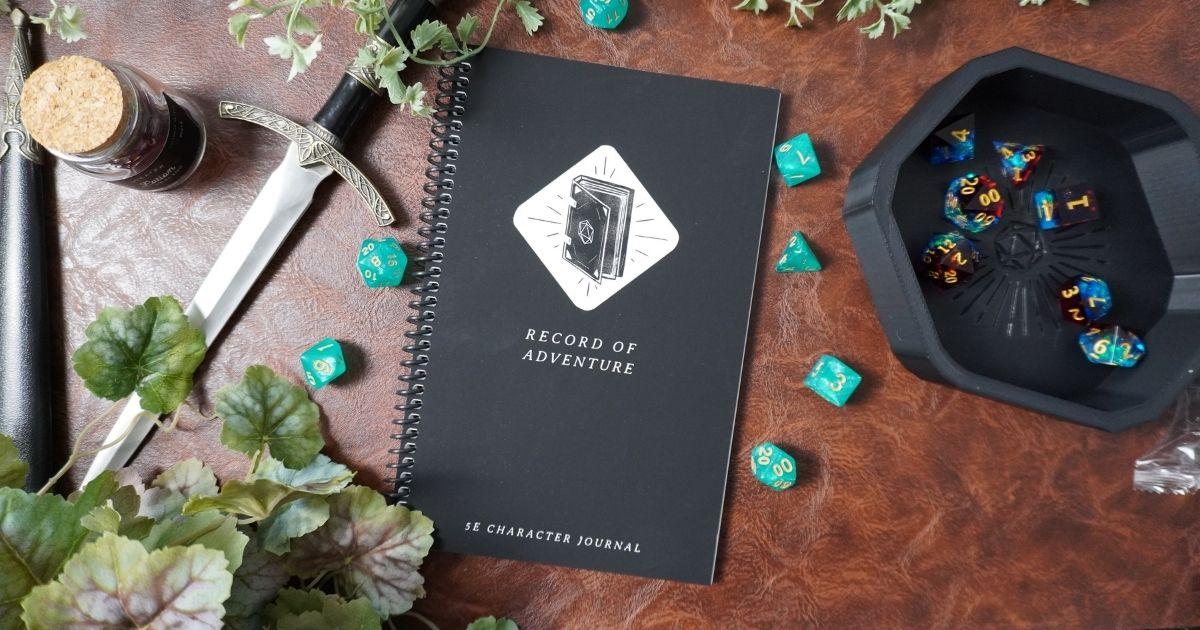
Best DnD Journal for Players: Record Every Adventure
A good DnD journal turns your campaign into something you can actually look back on. Here's what to look for in a player journal.
Read more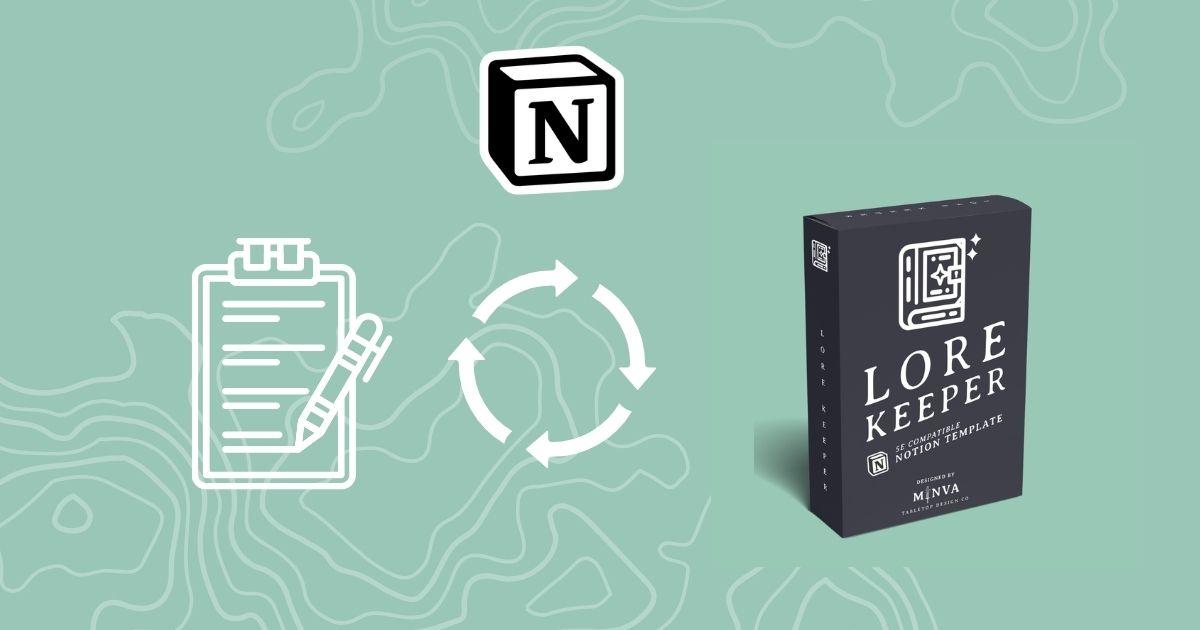
DnD Session Notes Template: How to Prep and Recap Every Session
Most session notes end up in a graveyard doc nobody reads. Here's what good session notes actually contain.
Read more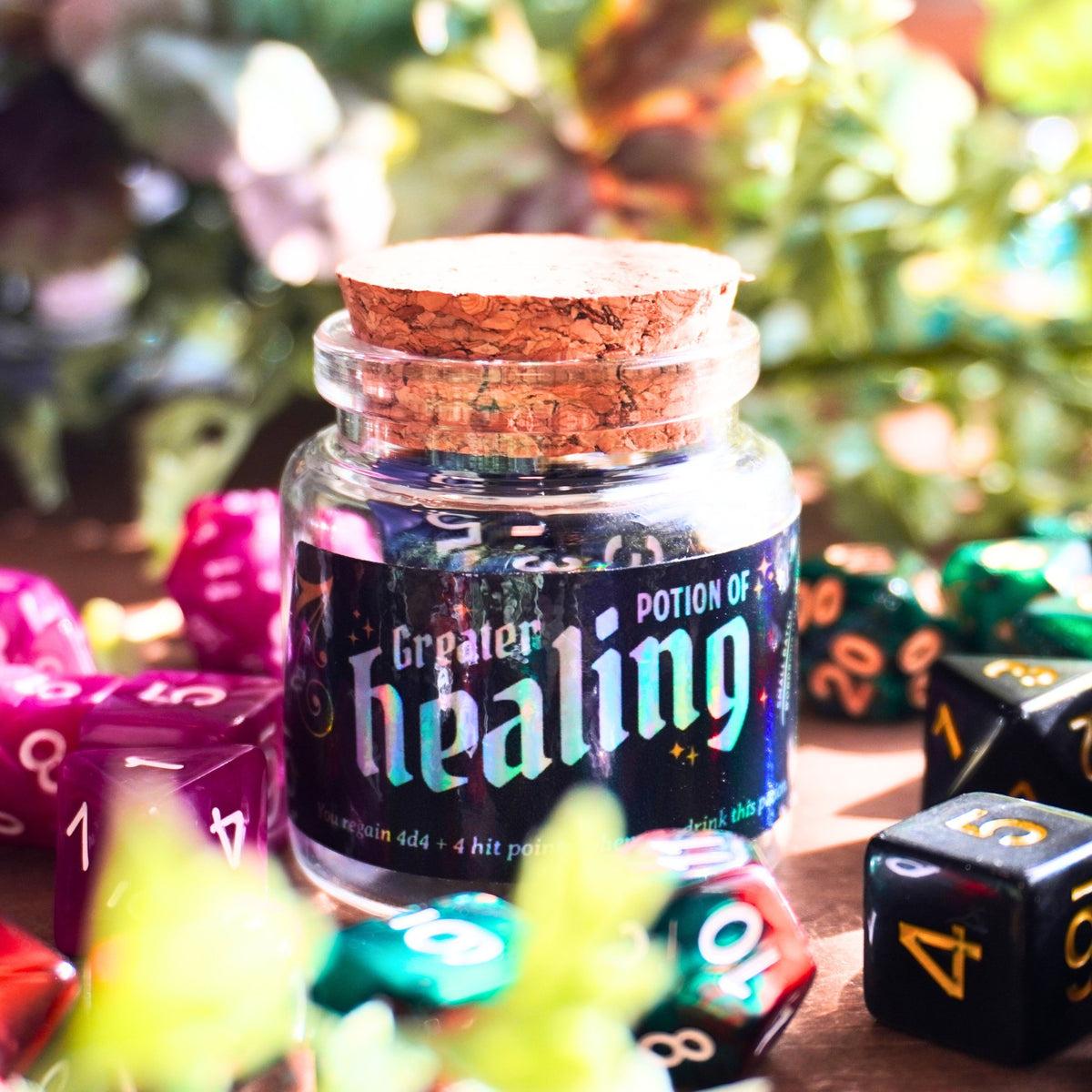
The Best D&D Accessories for Players and Dungeon Masters
Practical picks that actually improve your game — dice, journals, trackers, trays, and free generators.
Read more
How to Take D&D Session Notes You’ll Actually Use
A simple system for taking D&D session notes that stay useful for players and DMs. Learn what to track, how to stay organized, and which tools help.

From Stranger Things to D&D: How New Players Can Start Their First Campaign
Finished Stranger Things Season 5? Learn how to start playing Dungeons & Dragons with beginner tips, tools, and story-driven adventures.

New Free D&D Generators & Tools — Build Characters, Loot, and Shops in Seconds
We just launched a brand-new collection of free D&D generators and tools to help you create characters, loot, and shops faster than ever. These tools are built for players and Dungeon Masters who want to spend less time prepping and more time actually playing.